For many families affected by rare diseases, obtaining a clear diagnosis can become a long and challenging journey. Patients may undergo multiple laboratory tests, specialist consultations, and hospital visits over several months or even years without finding a definitive answer. This uncertainty not only creates emotional stress for families, but can also make clinical management and treatment planning more difficult for physicians.
A recent case in Indonesia highlights how genomic technologies such as Whole Exome Sequencing (WES) can help provide critical answers for complex and unexplained medical conditions.
The patient, a young child with recurrent anemia and enlarged spleen since early childhood, required repeated blood transfusions due to persistent symptoms. Throughout the diagnostic process, multiple investigations were performed to evaluate possible causes of hereditary anemia and blood disorders. Conventional examinations including thalassemia testing, G6PD analysis, bone marrow evaluation, hemoglobin analysis, and several hematologic investigations were unable to establish a definitive diagnosis.
How Genetic Testing Identified the Underlying Disease
As part of NGI commitment to expanding access to advanced genomic diagnostics in Indonesia, NGI provided complimentary diagnostic support through Clinical Whole Exome Sequencing Family (cWES trio) for the patient and parents. This initiative aimed to help address the patient’s prolonged anemia diagnostic odyssey caused by hidden underlying genetic cause.
Through comprehensive genomic analysis involving the patient and parents, we successfully identified a pathogenic variant associated with Southeast Asian Ovalocytosis. The molecular diagnosis provided a definitive explanation for the patient’s clinical manifestation, ending years of uncertainty for the family and providing greater clarity regarding the cause of the disease. More importantly, the confirmed diagnosis enabled clinicians to develop a more targeted and informed treatment, also a long-term disease management plan for the patient.
About Southeast Asian Ovalocytosis and Its Misdiagnosis
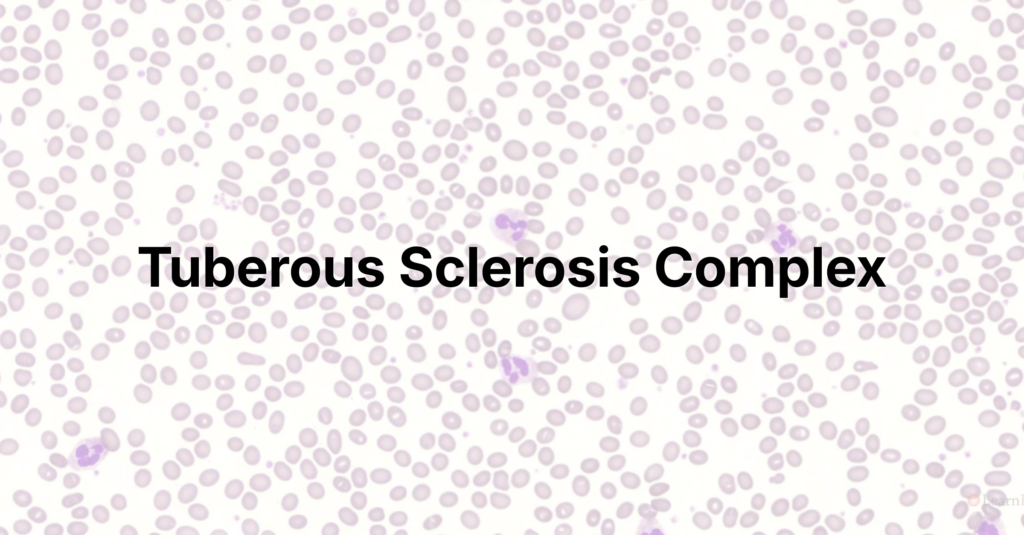
Southeast Asian ovalocytosis or stomatocytic elliptocytosis is a rare genetic disorder in the red blood cell caused by mutation of the SLC4A1 gene which is inherited in an autosomal dominant way. Clinically, SAO may present with anemia, jaundice, splenomegaly, and abnormal red blood cell morphology that can overlap with other hematologic disorders such as thalassemia, hereditary spherocytosis, or other hereditary hemolytic anemias.
In Southeast Asia, where thalassemia prevalence is high, SAO is frequently overlooked or misdiagnosed because routine hematological findings and peripheral blood smear appearances may appear similar. Several studies have shown that microscopic interpretation alone may be insufficient due to inter-observer variability and overlapping morphologic features including ovalocytes, stomatocytes, and knizocytes.
Moreover, co-inheritance of SAO with thalassemia can further complicate clinical interpretation and laboratory diagnosis. Therefore, molecular genetic testing plays a crucial role in establishing an accurate diagnosis by specifically identifying the pathogenic SLC4A1 deletion associated with SAO.
Accurate genetic confirmation is important not only for differential diagnosis and appropriate patient management, but also for genetic counseling and prevention of unnecessary treatments related to misdiagnosed hemolytic disorders. In regions with high prevalence of inherited hematologic diseases, incorporating molecular testing into diagnostic workflows can significantly improve the precision of SAO detection.
About Rare Disease Genetic Test
Rare diseases often present with overlapping symptoms that can resemble more common conditions, making diagnosis particularly difficult through conventional testing alone. In such situations, genomic technologies such as Whole Exome Sequencing (WES) and Whole Genome Sequencing (WGS) are becoming increasingly valuable tools in modern medicine.
While WES focuses on analyzing the protein-coding regions of genes that are most commonly associated with disease, WGS provides a more comprehensive analysis of the entire genome, uncovering more details which WES may not reveal. Together, these technologies can help shorten the diagnostic journey for patients with rare diseases and support more precise, personalized medical care.
As genomic medicine continues to grow in Indonesia, access to comprehensive genetic testing may help shorten the diagnostic journey for patients with rare diseases while providing families and healthcare providers with clearer answers, greater confidence, and more informed treatment strategies.
At NGI, we are committed to supporting accurate and comprehensive diagnosis of rare genetic diseases through advanced genomic technologies, including cWES and cWGS. With high-quality sequencing standards, robust bioinformatics analysis, and local support in Indonesia, NGI aims to help clinicians and families achieve faster and more precise genetic diagnoses for better patient management and clinical decision-making. Early and accurate genetic testing can make a meaningful difference in the journey of rare disease patients and their families.
Reference:
Genetic and Rare Diseases Information Center. 2026. “Southeast Asian Ovalocytosis | about the Disease | GARD.” Nih.gov. 2026. https://rarediseases.info.nih.gov/diseases/16867/southeast-asian-ovalocytosis.
Moulin PA, Nivaggioni V, Saut N, Grosdidier C, Bernot D, Baccini V. Southeast asian ovalocytosis: the need for a carefull observation of red cell indices and blood smear. Ann Biol Clin (Paris). 2017 Dec 1;75(6):699-702. English. doi: 10.1684/abc.2017.1291. PMID: 29043981.
Kawon, W., Yamsri, S., Fucharoen, G., Duereh, A., & Fucharoen, S. (2019). Positive rate of Southeast Asian Ovalocytosis (SAO) among patients sent for thalassemia diagnosis from Naradhiwas Rajanagarindra hospital. Archives of Allied Health Sciences, 31(2), 186–195. retrieved from https://he01.tci-thaijo.org/index.php/ams/article/view/210695
