
A Genetic Answer for a Rare Disease: Southeast Asian Ovalocytosis Case from Indonesia
For many families affected by rare diseases, obtaining a clear diagnosis can become a long and challenging journey. Patients may undergo multiple laboratory tests, specialist consultations, and hospital visits over several months or even years without finding a definitive answer. This uncertainty not only creates emotional stress for families, but can also make clinical management […]
A Genetic Answer for a Rare Disease: Tuberous Sclerosis Complex Case from Indonesia
For many families living with rare diseases, the journey to diagnosis can be long, emotionally exhausting, and filled with uncertainty. Patients may visit multiple specialists, undergo repeated medical examinations, and still struggle to obtain a clear explanation for their symptoms. In many cases, the absence of a definitive diagnosis can delay appropriate treatment and increase […]
A Call to Action for International Rare Disease Day 2026
Advancing Equity Through Early Detection, Genomic Innovation, and Collective Action International Rare Disease Day 2026 serves as a critical reminder that rarity does not diminish impact. Although each rare disease affects a small number of individuals, collectively these conditions represent a major global health challenge requiring scientific commitment, policy prioritization, and equitable access to diagnostics […]
When “Clumsiness” is More: A Parent’s Guide to Understand Muscle Weakness in Children

Children’s Clumsiness or Trusting Your “Parental Instinct” Children often trip or fall during their process of learning to walk and which is totally normal since their balance and coordination skills are still in an early developmental stage. However, parents may notice that some children present several struggles for running, climbing stairs, getting up from the […]
Beyond Earphones and Gaming: Understanding Usher Syndrome and the Importance of Genetic Testing
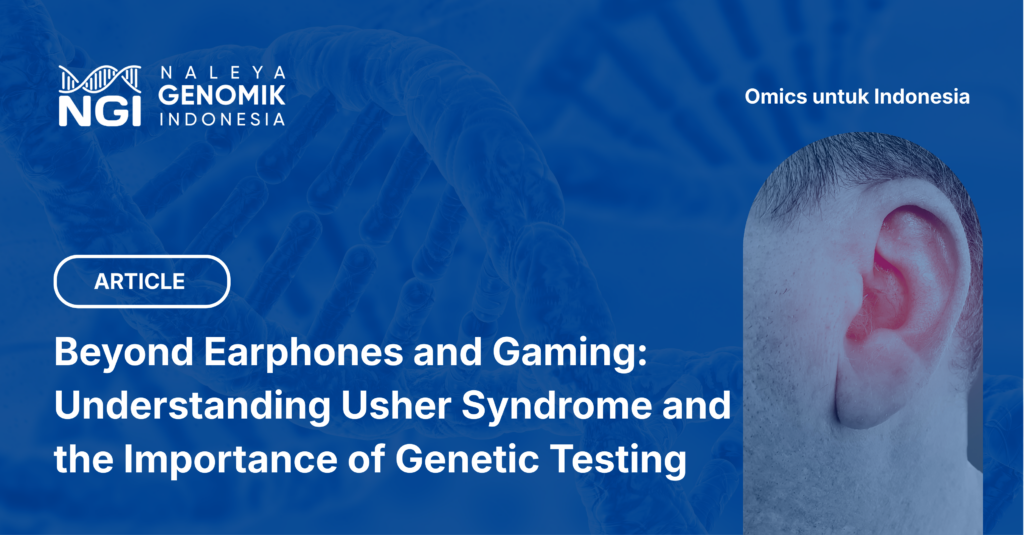
The Historical Context: Helen Keller Helen Keller is widely recognized for her remarkable life lived with combined hearing and visual impairment. What is less commonly known is that her condition resulted from a severe childhood infection. In contrast, in the modern era, a comparable dual sensory impairment affects thousands of adolescents worldwide, not due to […]
The Clinical Utility of Whole Exome Sequencing in Rare Disease to End The Diagnostic Odyssey
Rare diseases collectively affect an estimated 6–8% of the global population, yet individually they remain difficult to diagnose due to phenotypic heterogeneity, overlapping clinical features, and limited clinician familiarity. Patients, particularly children, often endure a prolonged and costly journey known as the “diagnostic odyssey”, characterized by repeated hospital visits, inconclusive tests, invasive procedures, and years […]